Why the Foundation planted its first classroom in Ibadan, and what the city's story tells us about the future we are building.
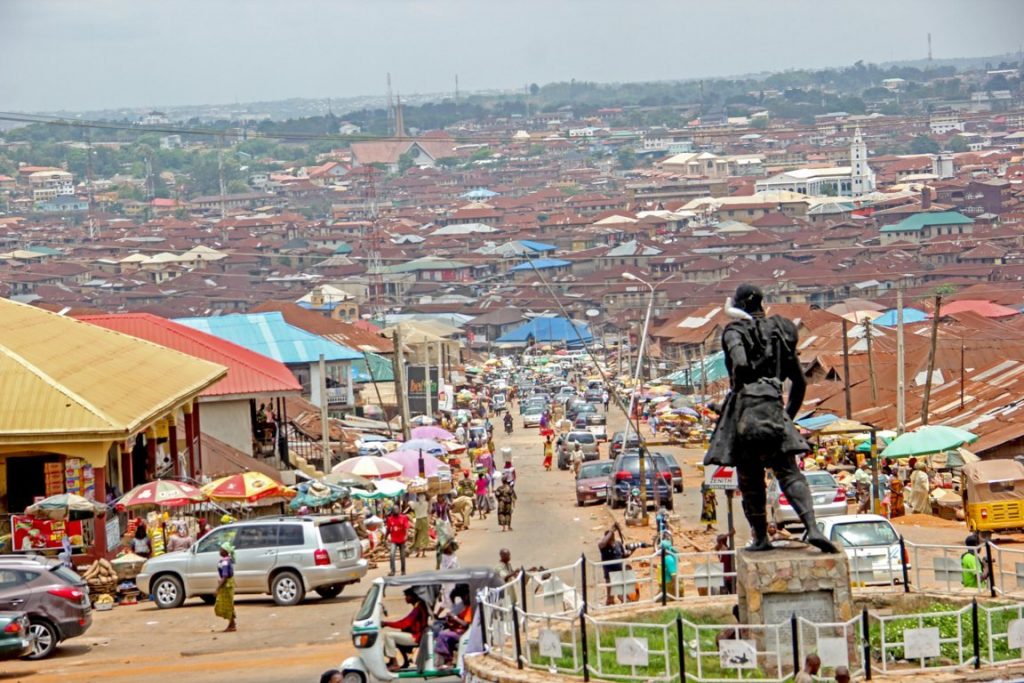
Ibadan is one of West Africa's oldest and most storied cities. Founded in the 1820s as a war camp on seven hills of forest and savannah, it grew within a generation into the largest indigenous city in sub-Saharan Africa — a place where warriors, farmers, market women, and later scholars converged to build one of Yorubaland's most consequential polities. To walk through Mapo, Oja'ba, or Bere today is to walk through layers of that history.
The city carries its own quiet mythology. The elders speak of the seven hills that shelter Ibadan, of Lagelu the hunter said to have founded the original settlement, and of the mysterious lights once reported over Mapo Hall at the height of the old empire. Whether history or folklore, these stories share a single message: Ibadan has always seen itself as a place where ordinary people gather to do extraordinary things.
The present-day city is Nigeria's third-largest urban centre, home to the country's oldest university, a thriving tech and healthcare corridor, and a diaspora of professionals scattered across the world. It is also a city of stark contrasts, where postgraduate researchers and street traders share the same danfo routes, and where opportunity is often a matter of who you happen to know rather than what you happen to be able to do.
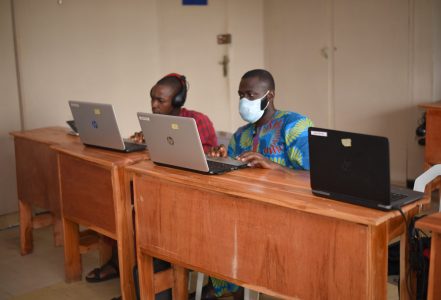
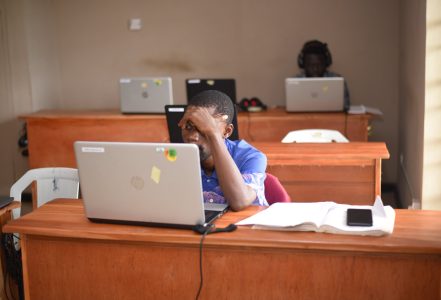
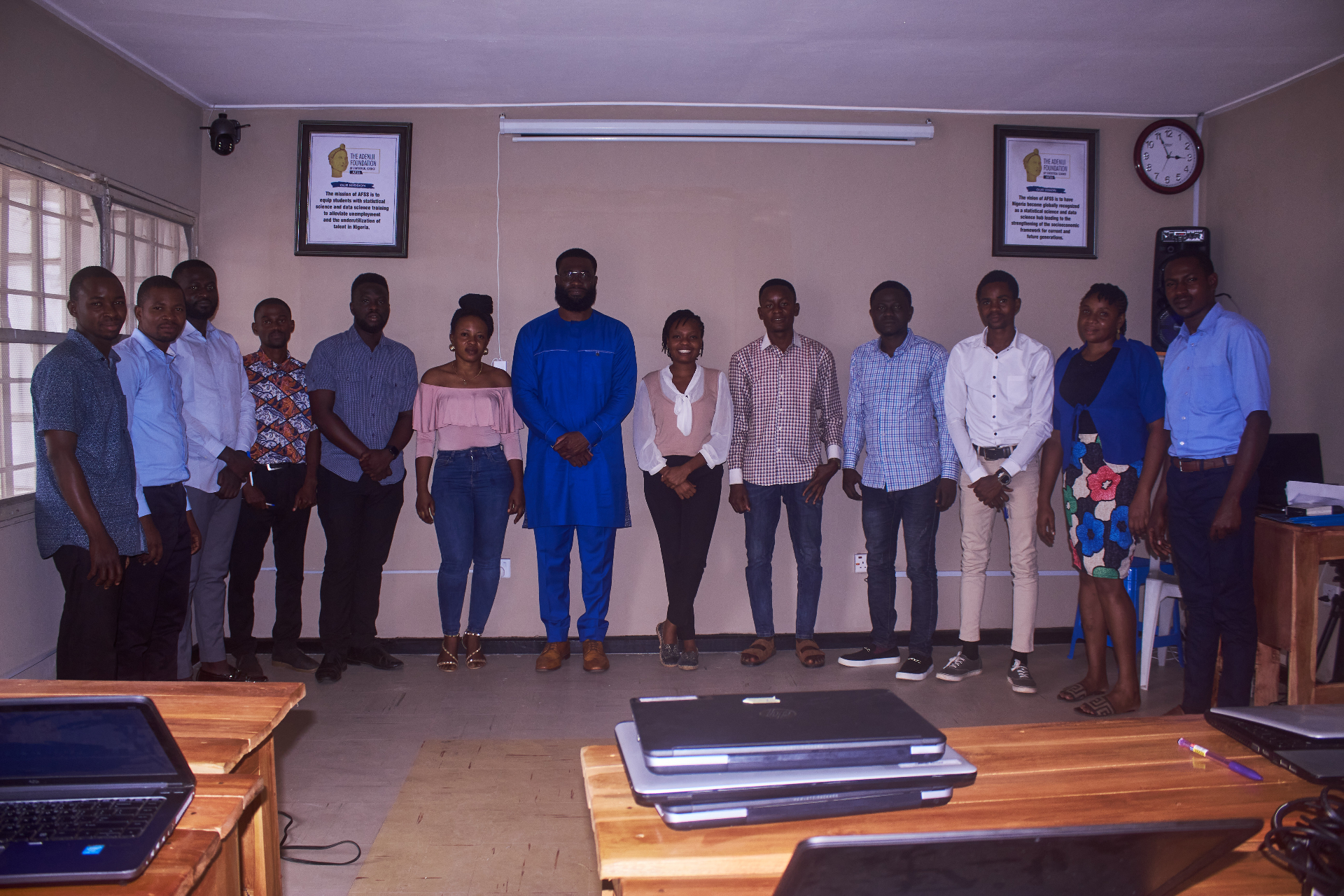
That contrast is exactly why AFSS chose Bodija for its first classroom. The talent is already here. The discipline is already here. What has been missing is a bridge — a fully-funded, globally-recognised pathway that lets a graduate stay in Ibadan and still earn a living from clinical trials being run in Basel, Boston, or Bangalore.
The future we are building for Ibadan is deliberately unromantic. It is a future of quiet, competent statistical programmers logging into international CROs from Bodija and Agbowo, of second and third cohorts opening the door for their siblings, of a city whose intellectual reputation is matched by the incomes its young people can now command. If the elders were right about the seven hills, we would like the next chapter of Ibadan's story to be worthy of them.